

Day 1: Awareness 5 Minute Breath Check
A simple five-minute mindfulness breath check can help reset the nervous system and improve emotional clarity throughout the day. Begin by sitting upright in a supported, relaxed posture with your feet grounded. Take a moment to orient by noticing three physical sensations in your body, two sounds around you, and one thing you can see. Next, observe your natural breathing without trying to change it, simply noticing where you feel the breath most and whether it feels shallow or deep, fast or slow. After this, shift into a gentle regulation pattern: inhale for four seconds, hold for four seconds, and exhale for six seconds, allowing the longer exhale to support parasympathetic calming. If helpful, silently think “Here” on the inhale and “Now” on the exhale. In the final minute, check in with yourself by asking what emotion is present, what your body may need next, and one intentional action you want to take moving forward.

Day 2: Arrival Awareness
Begin by sitting quietly for five minutes, allowing yourself to simply notice your breath without trying to control or change it. Let your attention rest gently on the natural rhythm of inhaling and exhaling, observing sensations in your chest, ribs, or abdomen as they rise and fall. Afterward, reflect inward: What does my body feel like right now? Where do I notice ease, tension, warmth, or heaviness? On a scale of 1–10, how stressed do I feel in this moment? Finally, consider what “calm” would feel like in my body—not as an abstract idea, but as a physical state. Like establishing base camp before ascending a mountain, this practice is about preparation and stabilization. Ask yourself: What am I preparing for in this season of life, and what kind of foundation do I want to build before I continue the climb?

Day 3: Body Scan Reset
Mountain Reflection: Just as climbers pause along a steep ascent to assess strain, altitude, and energy reserves, where in your own “terrain” are you carrying unnecessary load? What might you set down, redistribute, or acknowledge before continuing the climb?

Day 4: Sensory Grounding Outdoors
Step outside and gently engage your senses using the 5–4–3–2–1 grounding method to anchor yourself in the present moment. Begin by identifying five things you can see, noticing colors, textures, light, and movement. Then acknowledge four things you can physically feel—perhaps the breeze on your skin, the ground beneath your feet, or the temperature of the air. Listen for three distinct sounds, near or distant, without labeling them as pleasant or unpleasant. Identify two scents in your environment, subtle or strong, and finally name one thing you feel genuinely grateful for in this moment. As you complete the exercise, observe how your breathing, thoughts, and emotional state shift. Does your mind feel more spacious, less hurried, or more settled compared to before you stepped outside?
Mountain Reflection: Just as a climber pauses to survey the landscape and recalibrate their bearings, how does intentionally noticing your surroundings help you reorient when life feels overwhelming? What changes when you widen your awareness instead of narrowing your focus to stress?
Day 5: Mindful Walking
Step outside and gently engage your senses using the 5–4–3–2–1 grounding method to anchor yourself in the present moment. Begin by identifying five things you can see, noticing colors, textures, light, and movement. Then acknowledge four things you can physically feel—perhaps the breeze on your skin, the ground beneath your feet, or the temperature of the air. Listen for three distinct sounds, near or distant, without labeling them as pleasant or unpleasant. Identify two scents in your environment, subtle or strong, and finally name one thing you feel genuinely grateful for in this moment. As you complete the exercise, observe how your breathing, thoughts, and emotional state shift. Does your mind feel more spacious, less hurried, or more settled compared to before you stepped outside?
Mountain Reflection: Just as a climber pauses to survey the landscape and recalibrate their bearings, how does intentionally noticing your surroundings help you reorient when life feels overwhelming? What changes when you widen your awareness instead of narrowing your focus to stress?

Day 6: Breath Regulation
Practice intentional breath regulation by inhaling slowly through your nose for a count of four, then extending your exhale through your mouth or nose for a count of six. Continue this steady rhythm for five minutes, allowing the longer exhale to gently signal safety to your nervous system. As you breathe, notice subtle shifts—perhaps a softening in your shoulders, a slowing of your heart rate, or a quieting of mental chatter. If your mind wanders, calmly return to counting. After completing the practice, reflect on whether the extended exhale altered your internal state. Did you feel more grounded, more present, or less reactive? Use this observation as evidence of how directly breath influences physiological regulation.
Mountain Reflection: At higher elevations, climbers regulate their breathing to conserve energy and maintain stability. Where in your life do you need a steadier rhythm rather than shallow, hurried breaths? How might lengthening your “exhale” — releasing more than you take on — create greater endurance for the climb ahead?

Day 7: Digital Boundary Practice
Commit to a digital boundary by turning off all screens at least 60 minutes before bed, allowing your nervous system to decelerate without artificial stimulation. Notice the impulses that arise—the urge to check messages, scroll, or seek distraction—and observe them without immediately acting on them. Pay attention to any discomfort such as restlessness, boredom, or anxiety, and consider what those sensations might reveal about your relationship with stimulation and silence. As the evening unfolds, observe what replaces screen time: perhaps slower breathing, clearer thoughts, deeper conversation, reading, reflection, or earlier sleep onset. Afterward, reflect honestly on what discomfort surfaced and what you gained in exchange—mental spaciousness, improved sleep quality, reduced cognitive overload, or a greater sense of presence.
Mountain Reflection: Just as climbers power down equipment and settle into stillness before nightfall to restore energy for the next ascent, where in your life do you need to intentionally “shut down” to recover fully? What restoration becomes possible when you allow darkness and quiet to do their work?

Day 8: Weekly Reflection
As you complete your first week of practice, pause to reflect on the cumulative impact of slowing down and increasing awareness. Consider what shifted in your body over the past seven days—did you notice changes in tension patterns, breathing depth, sleep quality, or overall stress levels? Reflect on what surprised you, whether it was how quickly your state could change with small interventions or how challenging it felt to create consistent space for yourself. Finally, examine what felt resistant. Was it stillness, structure, emotional awareness, or simply prioritizing your own regulation? Rather than judging resistance, view it as useful information about where growth edges exist. This weekly review is not about performance; it is about pattern recognition and nervous system literacy.
Mountain Reflection: At the end of a climbing week, mountaineers assess altitude gained, energy expenditure, and unexpected obstacles before continuing upward. Looking back at your own ascent, where did you gain stability, and where did the terrain feel steep or unstable? What adjustments will help you climb with greater strength and awareness next week?
Day 9: Name the Emotion
When you feel triggered or emotionally activated, pause before reacting and deliberately name the emotion you are experiencing. Be precise rather than general—distinguish between frustration and disappointment, anxiety and fear, irritation and resentment. This act of labeling engages the prefrontal cortex and creates psychological distance from the intensity of the feeling, allowing you to respond with greater regulation rather than reflex. After identifying the emotion, observe whether its intensity shifts. Does it soften, stabilize, or remain the same? Reflect on what the emotion may be signaling—an unmet need, a boundary violation, fatigue, or perceived threat. The goal is not to eliminate emotion but to develop fluency in recognizing and working with it.
Mountain Reflection: When weather shifts suddenly on a mountain, experienced climbers name the condition accurately—wind, whiteout, ice—so they can choose the right response. In your internal landscape, how does clearly naming the “weather” of your emotions help you navigate more skillfully instead of reacting blindly to the storm?

Day 10: Thought Observation
Take a few quiet minutes to write down five thoughts that repeatedly circulate in your mind, especially those that arise during stress, uncertainty, or self-evaluation. Once they are on paper, examine each one carefully and ask: Is this an objective fact, or is it an interpretation shaped by assumptions, fear, or past experience? Notice how often repetitive thoughts present themselves as absolute truths rather than mental narratives. Consider what evidence supports each thought and what evidence might contradict it. This process is not about forced positivity but about cognitive clarity—separating data from distortion. As you observe your thoughts instead of automatically believing them, you create space for more deliberate and balanced responses.
Mountain Reflection: On a mountain, misreading the terrain—mistaking shadow for crevasse or cloud cover for a permanent storm—can alter your entire route. Where in your life might you be reacting to interpretations as though they are fixed realities? How would your path shift if you assessed the terrain with greater accuracy?
Day 11: Window of Tolerance Check
When you begin to feel stressed, set a timer for five minutes and practice mindful awareness of your internal state. Sit quietly and ask yourself: Am I feeling overwhelmed and hyperactivated, or shut down and numb? Notice physical cues—racing heart, shallow breathing, tight muscles, or alternatively heaviness, fatigue, or emotional detachment. Without judgment, simply observe where you fall within your window of tolerance. During these five minutes, allow your breath to slow naturally and track subtle shifts in sensation. Afterward, reflect on what reliably helps you return to center. Is it movement, stepping outside, connection with someone safe, structured breathing, silence, or sensory grounding? The goal is to build literacy around your stress patterns so you can intervene earlier and more effectively.
Mountain Reflection: When climbing, knowing whether you are pushing too hard or losing momentum entirely determines your next move. Are you overexerting on steep terrain, or have you stalled in thin air? What deliberate adjustment helps you regain balance and continue the ascent with steadiness rather than strain?

Day 12: Gratitude Rewiring
Set aside five quiet minutes to intentionally practice gratitude rewiring. Close your eyes, take a few slow breaths, and allow your nervous system to settle before identifying three specific things you are genuinely grateful for today. Be concrete rather than general—notice small, precise details such as the warmth of sunlight through a window, a supportive message from a friend, or the steadiness of your own body carrying you through the day. As you name each one, pause and feel it rather than rushing to the next. Observe where gratitude registers physically—perhaps as warmth in the chest, relaxation in the shoulders, or a subtle lift in mood. Afterward, reflect honestly: Did this practice feel forced, neutral, or natural? If it felt difficult, what thoughts or emotional patterns surfaced that made gratitude harder to access?
Mountain Reflection: On a long ascent, climbers conserve morale by noticing progress markers—distance gained, stable footing, clear weather breaks. What small markers of progress are present in your life that you typically overlook? How might consistently recognizing them strengthen your endurance for the climb ahead?

Day 13: Core Values Clarification
Set aside five intentional minutes to clarify your core values by reviewing the following: Integrity, Health, Adventure, Family, Impact, Freedom, Stability, Growth, Creativity, Faith, Service, and Wealth. Slowly narrow the list to five that feel most essential to who you are—not who you think you should be, but who you are at your most grounded and honest. As you select each one, pause and notice your body’s response. Does the word create expansion, steadiness, resistance, or uncertainty? After choosing your five, practice mindful reflection by asking: Where in my daily life are my behaviors aligned with these values, and where am I out of alignment? Observe without self-criticism. Misalignment is not failure; it is information. Awareness is the first step toward recalibration.
Mountain Reflection: When climbing, your route must align with your intended summit. If you drift too far off course, the terrain becomes harder and progress slows. Where in your life are you climbing in a direction that does not match your chosen peak? What small course correction would bring you back into alignment with the values that truly guide you?

Day 14: Weekly Integration
At the close of this week, set aside five quiet minutes for mindful integration. Sit comfortably, slow your breathing, and gently review the emotional landscape of the past several days. Ask yourself with honesty and without judgment: What emotion do I tend to avoid most? Is it sadness, anger, disappointment, vulnerability, or fear? Notice where that emotion registers in your body and how you typically respond—do you distract, suppress, intellectualize, or overwork? Then shift your attention to your values and ask: What value matters most to me right now in this season of life? Let the answer surface intuitively rather than analytically. Observe whether your current behaviors support or conflict with that value. This reflection is not about self-critique; it is about increasing emotional awareness and directional clarity.
Mountain Reflection: Before ascending higher, climbers assess both internal readiness and external conditions. Avoided emotions are like unstable terrain—ignored, they become hazardous; acknowledged, they can be navigated. Meanwhile, your most important value is your true summit. Are you climbing toward it, or are you expending energy on a different peak? What adjustment ensures your ascent remains intentional and aligned?
Day 15: Sit Spot Practice
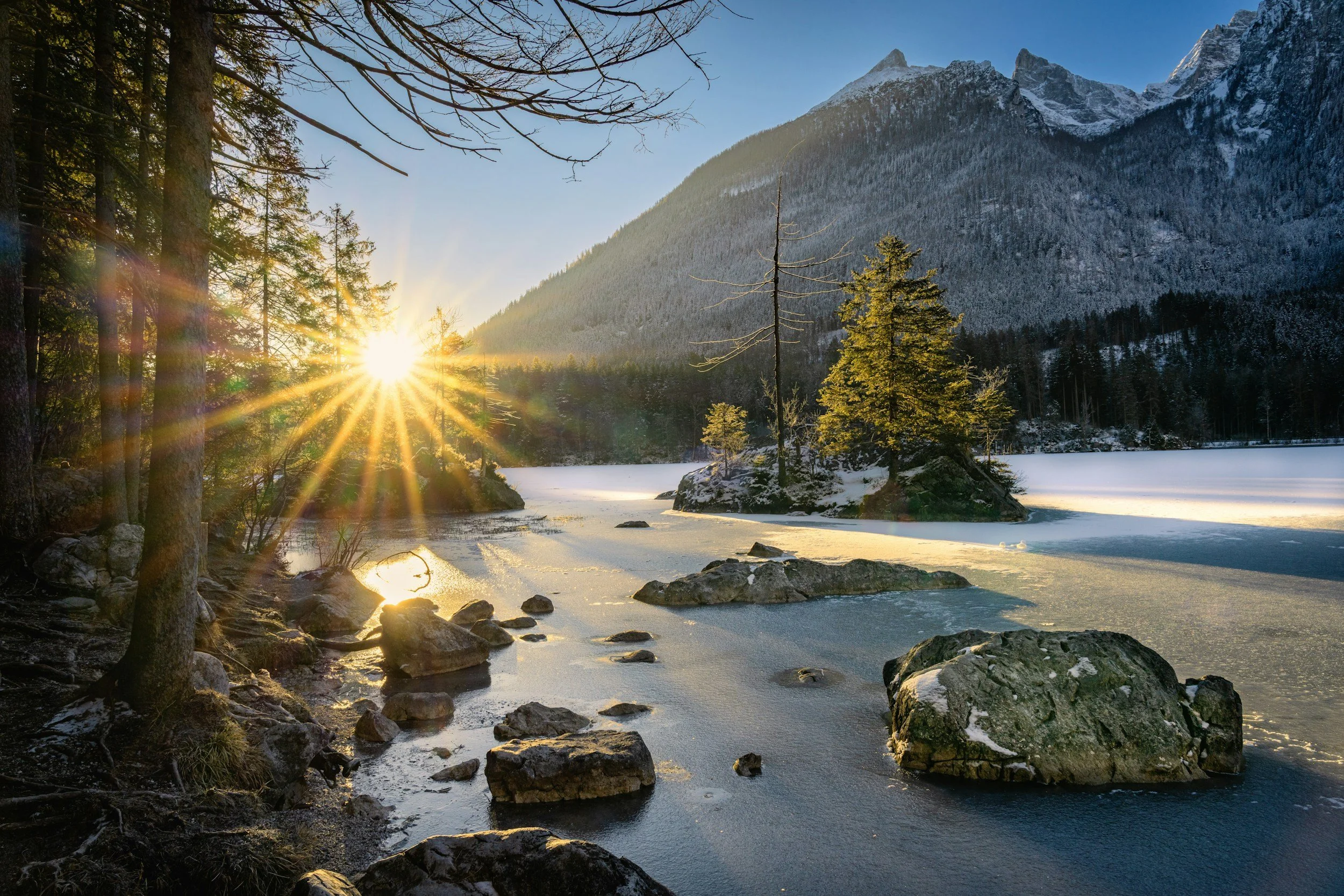
Set aside 15–20 minutes to practice a sit spot meditation outdoors. Choose a location where you can remain undisturbed and sit comfortably without engaging your phone or any external task. Begin with a few slow, steady breaths to settle your nervous system, then widen your awareness to your surroundings. Notice subtle details you might typically overlook—the layered tones of wind through trees, shifting light patterns, insect movement, distant sounds blending into the background. Observe without labeling or analyzing; simply receive the environment as it is. If your mind drifts into planning or distraction, gently return to sensory awareness. Afterward, reflect on what details you noticed that you usually miss and how sustained attention altered your sense of time, pace, or internal quiet.
Mountain Reflection: When climbers pause along a ridgeline, they often see terrain that was invisible during the steep ascent. What becomes visible in your life when you stop moving and simply observe? What insights might only emerge when you allow yourself to be still within the landscape rather than rushing through it?
Day 16: Deep Listening
Choose one conversation today in which you intentionally practice deep listening for at least five uninterrupted minutes. Before the conversation begins, take a slow breath and set a clear internal intention: I am here to understand, not to respond. As the other person speaks, notice any impulse to interrupt, correct, advise, or mentally rehearse your reply. Instead of following those impulses, gently return your attention to their words, tone, facial expressions, and pauses. Track your own body during the exchange—does tension rise when you disagree, or do you relax when you feel connected? Allow moments of silence without rushing to fill them. Afterward, mindfully reflect: Did I truly listen, or was I preparing my response? What shifted in the quality of connection when I prioritized presence over performance?
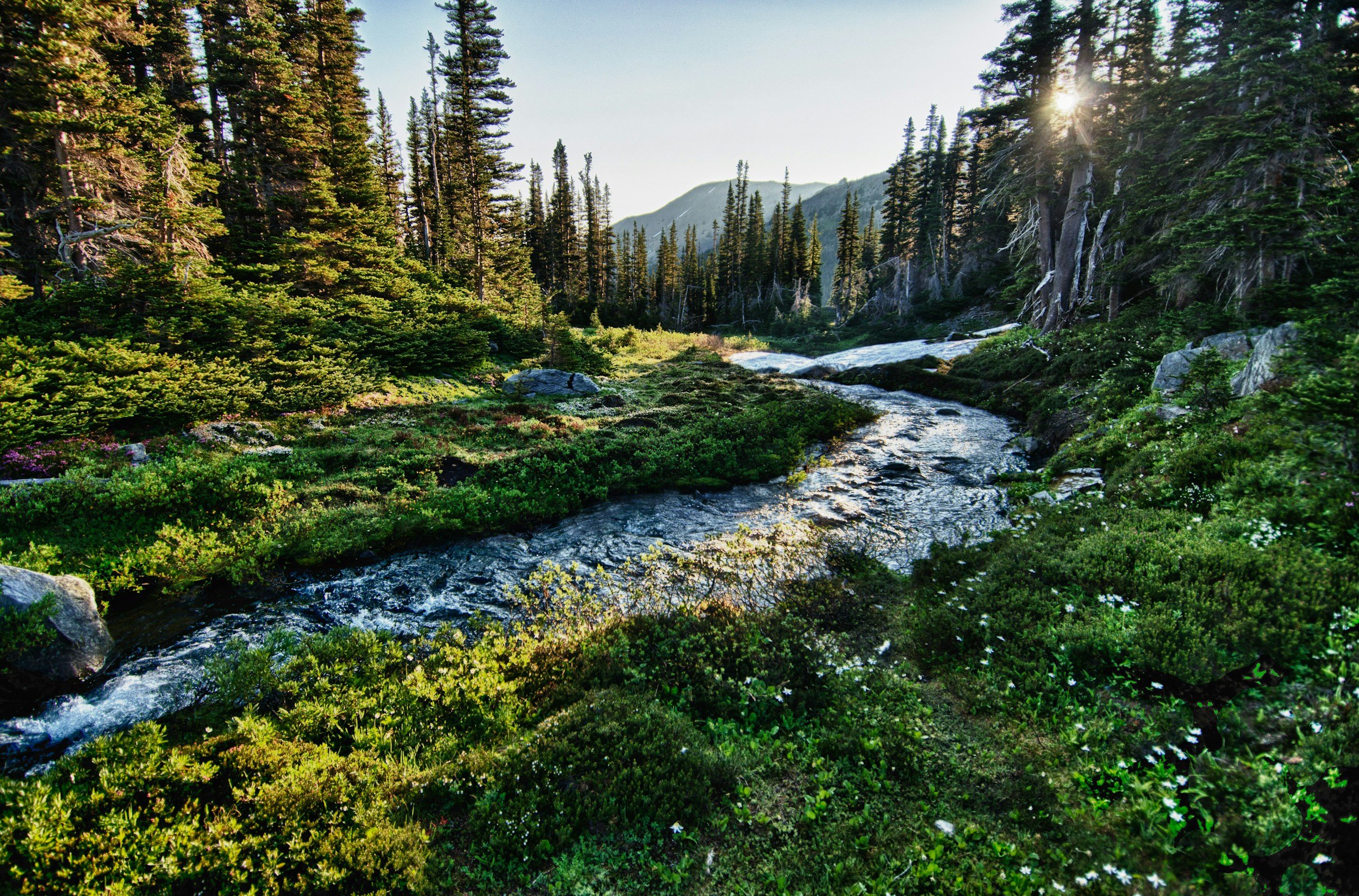
Mountain Reflection: On a narrow ridgeline, climbers must pay close attention to subtle shifts in footing and wind direction; distraction increases risk. In your relationships, where does divided attention create instability? How might steady, undivided presence strengthen trust and create firmer ground for the climb together?
Day 17: Appreciation Expression
How did it feel to express appreciation?
Set aside a few intentional minutes to practice mindful appreciation by choosing one person in your life and expressing, clearly and specifically, why you value them. Before speaking or writing, pause and take several slow breaths to center yourself. Reflect on concrete qualities or actions—perhaps their reliability during difficult moments, their humor that lightens tension, or their quiet consistency that provides stability. As you share your appreciation, stay present to your own internal experience. Notice changes in your breathing, facial expression, or emotional state. Do you feel vulnerability, warmth, discomfort, connection, or gratitude? Afterward, mindfully reflect: How did it feel to express appreciation openly? Did it deepen connection, create relief, or challenge you to be more emotionally transparent?
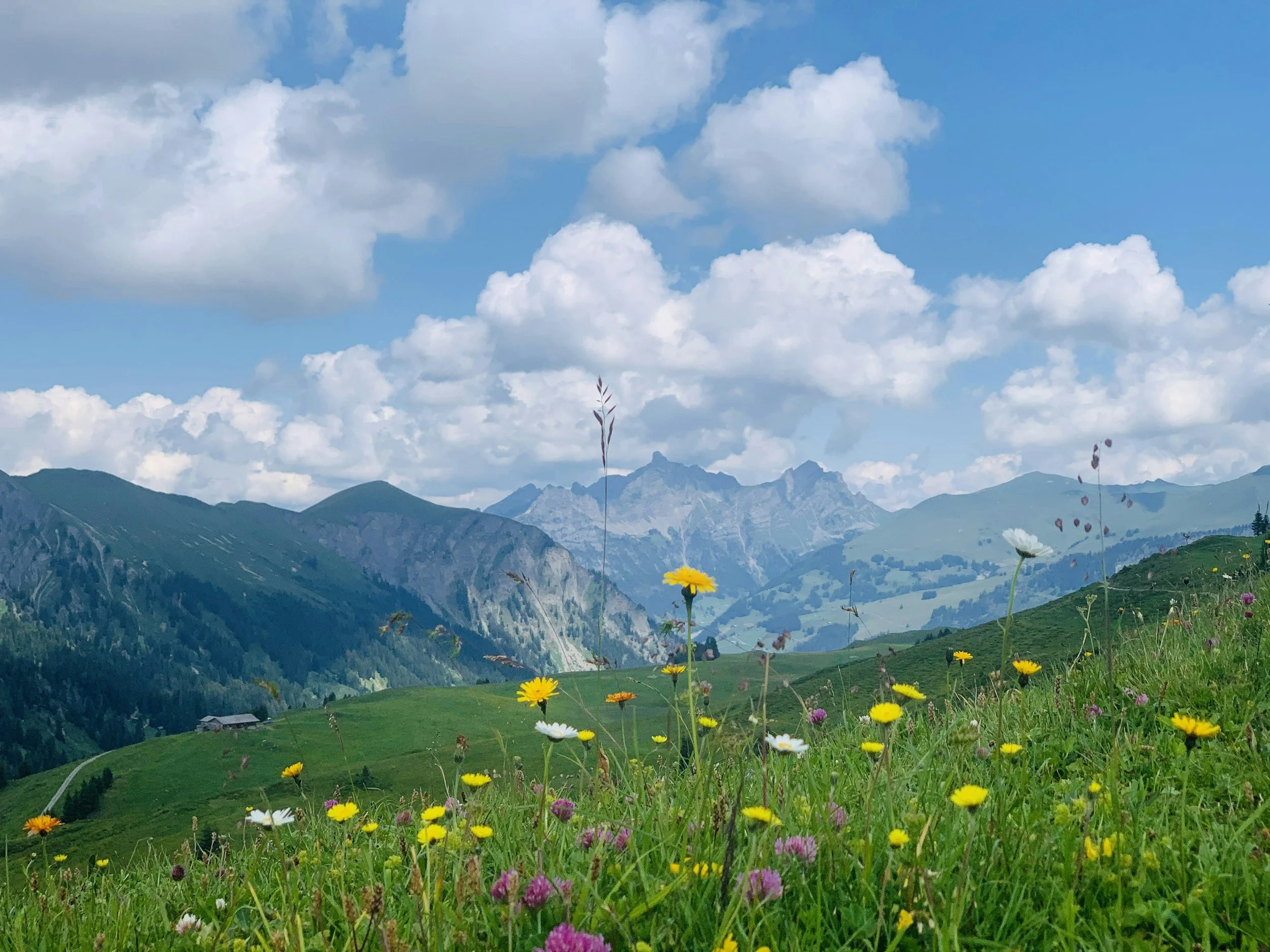
Mountain Reflection: On a long ascent, climbers depend on one another for safety and morale, often acknowledging each other’s strengths to maintain cohesion and trust. Who in your life is part of your climbing team, and how often do you recognize their contribution? How might expressing appreciation strengthen the rope that connects you on the journey upward?

Day 18: Environmental Audit
Set aside five mindful minutes to conduct an environmental audit of your living space. Walk slowly through your home with deliberate awareness, noticing how each room feels in your body rather than how it looks aesthetically. Pause in different areas and ask yourself: Does this space create calm, neutrality, or subtle tension? Pay attention to lighting, clutter, noise, temperature, scents, and visual overstimulation. Notice whether certain areas invite rest and focus, while others increase agitation or distraction. Without judgment, list what in your home genuinely supports regulation—perhaps natural light, organized surfaces, quiet corners, or meaningful objects—and what consistently elevates stress, such as clutter, unfinished tasks, harsh lighting, or constant digital noise. This exercise is about nervous system alignment, not perfection. Small environmental adjustments can significantly influence emotional steadiness.
Mountain Reflection: Before establishing camp, climbers carefully assess terrain—wind exposure, rock stability, avalanche risk—because the environment directly impacts survival and recovery. In your own life, where are you attempting to rest in unstable conditions? What subtle shifts to your “base camp” would create stronger footing and greater resilience for the climb ahead?

Day 19: Healthy Boundary
Today, practice setting one healthy boundary by saying a clear and respectful “no” where you would normally default to agreement. Before responding, pause for five mindful breaths and notice what arises in your body—tightness in your chest, a pull to please, anxiety about disappointing someone, or fear of conflict. Allow those sensations to be present without immediately trying to silence them. Then respond calmly, without over-explaining or apologizing excessively. Afterward, reflect with curiosity rather than judgment: What belief made this difficult? Do I believe I must always be available, agreeable, or indispensable to be valued? Notice whether honoring your boundary created guilt, relief, empowerment, or a combination of emotions. Boundaries are not rejection; they are clarity about capacity and alignment.
Mountain Reflection: On a steep ascent, climbers must know when to conserve energy and when to turn back rather than push beyond safe limits. Where in your life have you been climbing past your sustainable threshold? How might a well-placed “no” protect your strength and ensure you have the endurance to reach the summit that truly matters?
Day 20: Belonging Reflection
Set aside five quiet minutes to reflect mindfully on the question: Where do I feel most accepted? Sit comfortably, slow your breathing, and allow your body to settle before searching for an answer. Notice what environments, relationships, or communities come to mind first. As you picture each one, observe your physical response—does your chest soften, does your breathing deepen, do your shoulders relax? Acceptance is often felt somatically before it is articulated cognitively. Consider what specifically creates that sense of belonging: shared values, emotional safety, mutual respect, humor, faith, purpose, or history. Then gently ask yourself whether you are currently spending enough time in spaces that foster this feeling, or whether you have been operating in environments that require you to shrink, perform, or armor up. Approach the reflection with compassion rather than critique; belonging is a fundamental regulatory need.
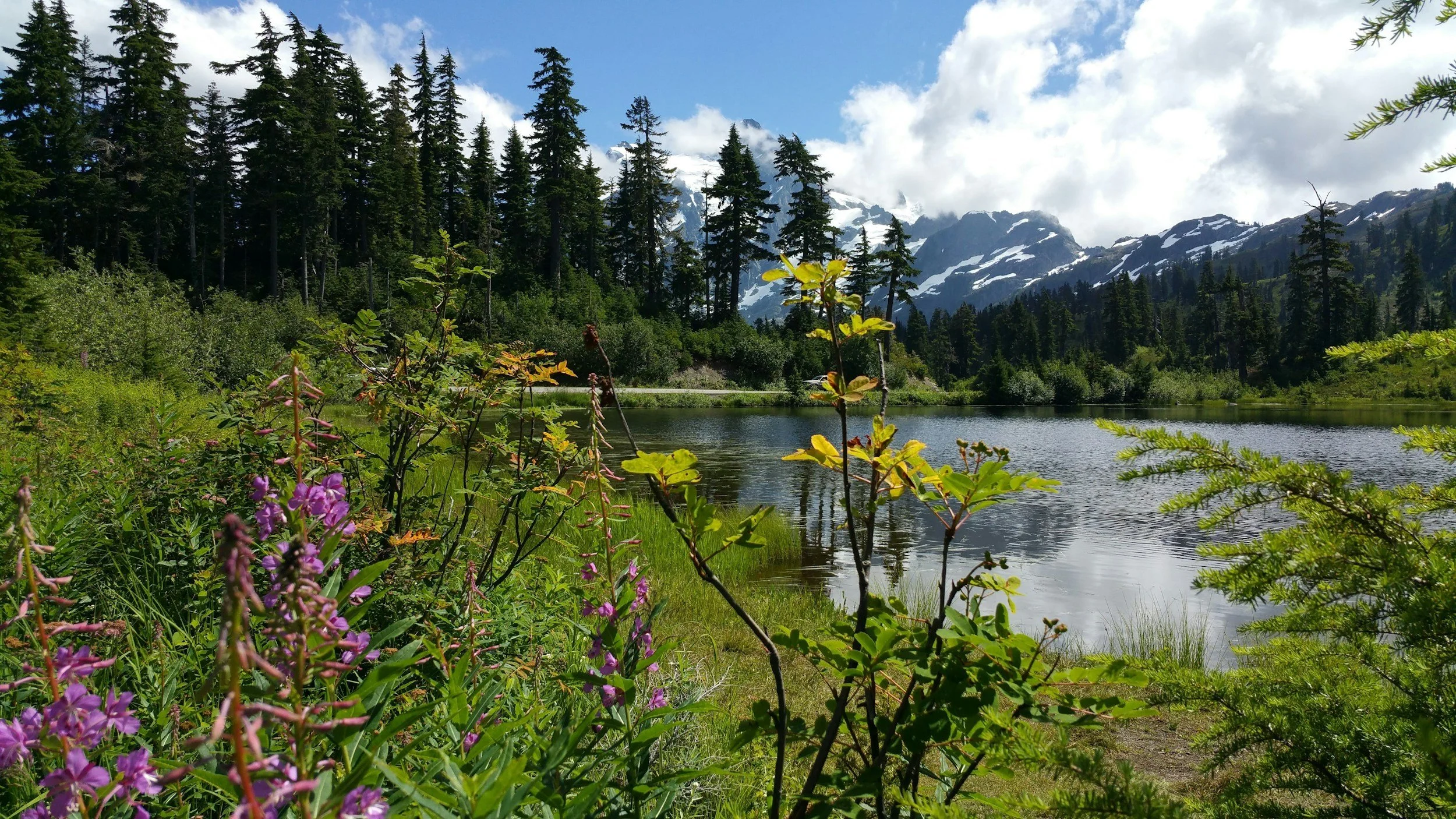
Mountain Reflection: Climbers choose base camps carefully because the right environment provides shelter, support, and restoration before higher ascent. Where is your true base camp—the place where you can remove the gear, breathe fully, and be seen without pretense? Are you building your climb from stable ground, or attempting to summit from terrain that never truly feels like home?