
Day 21: Weekly Review
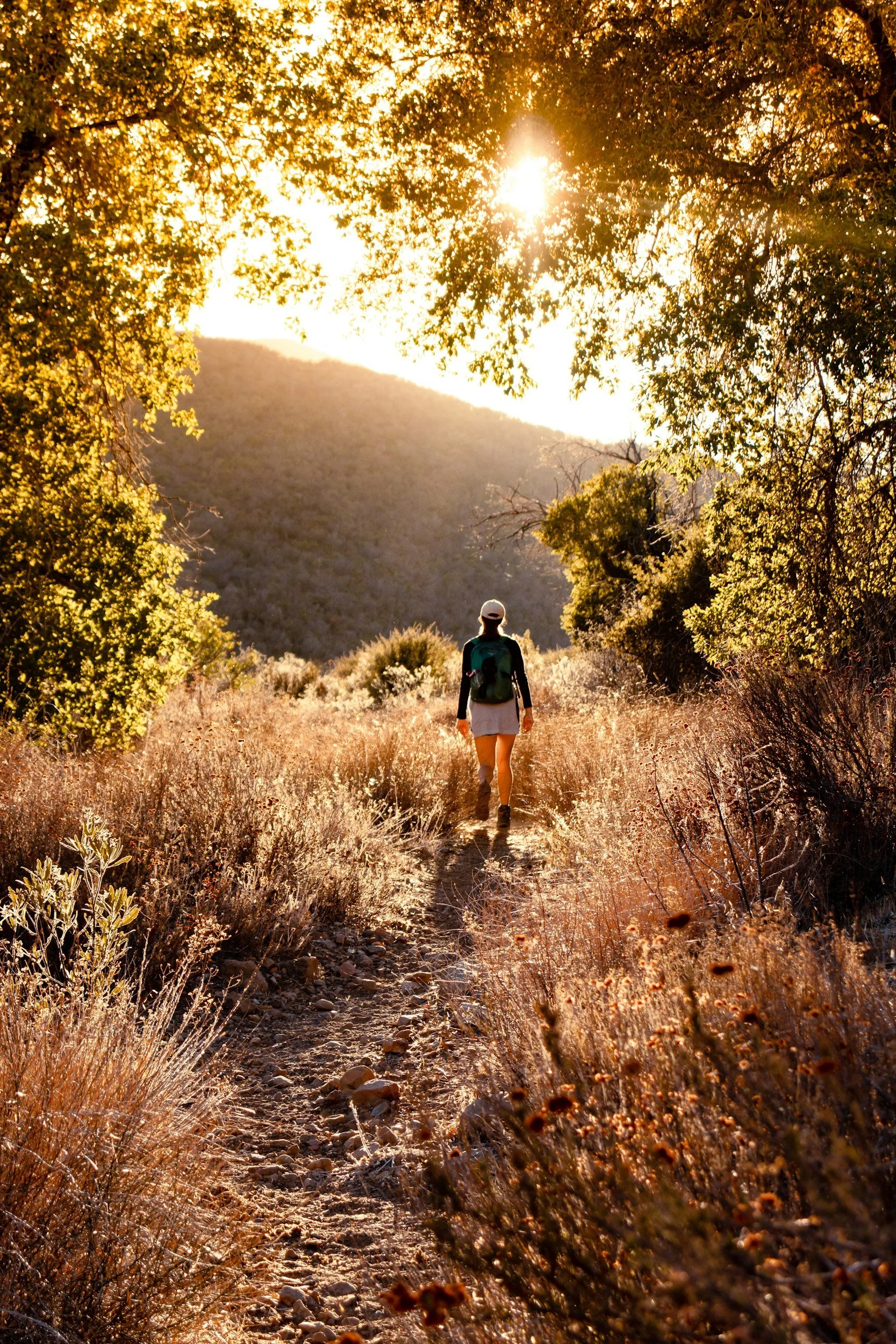
Set aside five intentional minutes to complete your weekly review with mindful awareness. Sit quietly, take several steady breaths, and gently scan the past seven days without judgment. Ask yourself: How has connection shifted this week? Notice whether you felt more present in conversations, more willing to express appreciation, clearer in setting boundaries, or more aware of where you belong. Then reflect on your environment—both physical and relational—and ask: What spaces supported my best self? Observe where you felt calm, energized, focused, or authentic, and contrast that with spaces that felt draining or misaligned. Rather than analyzing excessively, allow your body’s responses to guide you. Regulation, tension, openness, or contraction often reveal more than intellectual reasoning. This review is about identifying patterns that either strengthen or weaken your emotional footing.
Mountain Reflection: At the end of a climbing week, mountaineers evaluate which routes were stable and which terrain required more effort than expected. Where did connection provide steady footing for your ascent, and where did the environment feel unstable or exhausting? As you prepare to move higher, what base conditions will you intentionally choose to support the next stage of your climb?

Day 22: Future Self Visualization
Set aside five quiet minutes for a guided future-self visualization. Sit comfortably, slow your breathing, and allow your nervous system to settle before imagining yourself five years from now—regulated, grounded, and fully aligned with your core values. Picture not just achievements, but posture, tone of voice, daily rhythm, and emotional steadiness. Notice how this future version handles stress, conflict, and decision-making. What habits have they built consistently? Perhaps they protect sleep, move their body regularly, practice daily reflection, set clear boundaries, or spend intentional time in restorative environments. As you visualize, observe your body’s response—does this image create motivation, resistance, calm, or clarity? Afterward, journal specifically about the habits that stand out and identify one small behavior you can begin embodying now. The purpose is not fantasy, but direction—using mindfulness to align present action with future identity.
Mountain Reflection: Climbers ascend more effectively when they can see the summit clearly, even from a distance. Your future self is that visible peak. What daily steps has that version of you taken to reach higher ground? If you began climbing with their discipline and perspective today, how would your path change?

Day 23: Resilience Timeline
Set aside five quiet minutes to create a personal resilience timeline. Slowly list five significant challenges you have survived—moments of loss, uncertainty, failure, transition, or emotional strain. As you write each one, pause and breathe steadily, allowing yourself to remember not only the difficulty but also the fact that you endured it. Notice what arises in your body as you revisit these memories—tightness, pride, sadness, strength, gratitude. Then reflect intentionally: What strengths did I use to move through this? Did you demonstrate perseverance, adaptability, courage, faith, problem-solving, patience, or the willingness to ask for help? Often, resilience operates quietly and is only visible in hindsight. This mindfulness practice is not about reliving pain but about reclaiming evidence of your capacity.
Mountain Reflection: Every climber carries stories of storms weathered, routes rerouted, and steep sections conquered. Your past challenges are not detours from the ascent—they are proof that you know how to climb. When the next difficult stretch appears, how might remembering the mountains you have already crossed strengthen your confidence to continue upward?
Day 24: Personal Mission Draft
Set aside five focused minutes to begin drafting your personal mission statement by completing the sentence: “I am committed to becoming someone who…” Before writing, take several slow breaths and allow your body to settle so your words emerge from clarity rather than pressure. Let the statement reflect character and contribution rather than achievement alone. Consider who you want to be under stress, in relationships, in leadership, in rest, and in service. Notice what feels expansive or steady as you write, and also what feels performative or externally driven. Refine the sentence until it resonates internally—clear, grounded, and aligned with your core values. This is not a performance declaration; it is a directional compass meant to guide daily decisions and long-term growth.
Mountain Reflection: A climber does not begin ascent without identifying the summit. Your mission statement is your chosen peak. Does your current route lead toward it, or are you climbing a mountain that others selected for you? What adjustments ensure that your effort, endurance, and discipline are directed toward the summit that truly matters?
Day 25: Service Action
Set aside five intentional minutes to choose one deliberate act of service today. Before acting, pause, breathe slowly, and bring mindful awareness to your intention—offer help not from obligation or image management, but from grounded willingness. The act does not need to be large; it may be listening fully to someone who feels unseen, assisting with a task, offering encouragement, or providing practical support. As you engage, remain present to your internal state. Notice shifts in posture, breath, or emotional tone. Afterward, reflect quietly: How did contribution affect my mood? Did you experience increased energy, warmth, perspective, connection, or calm? Service, when practiced mindfully, often regulates the nervous system by shifting focus from self-preoccupation to meaningful engagement.
Mountain Reflection: Climbers rely on one another to carry gear, steady ropes, and share resources during difficult stretches. No one summits alone. How does contributing to someone else’s climb strengthen your own footing? In what ways does helping lighten not only their load, but yours as well?

Day 26: Habit Anchor Creation
Set aside five quiet minutes to identify one practice from the past weeks that you are willing to anchor into your daily life. Sit comfortably, slow your breathing, and review the exercises you’ve completed—breath regulation, grounding outdoors, emotional labeling, gratitude, boundary setting, reflection. Notice which practice created the most measurable shift in your nervous system, clarity, or relational presence. Rather than choosing the most impressive habit, choose the most sustainable one. Ask yourself: Can I realistically commit to this daily, even on difficult days? Visualize when and where it will occur—after waking, before sleep, during a walk, before meetings. Pair it with an existing routine to strengthen consistency. This mindfulness pause transforms intention into implementation, ensuring your growth does not end with the program but becomes integrated into your rhythm of living.
Mountain Reflection: Climbers establish fixed anchors along steep terrain to ensure stability during ascent and descent. Your daily habit is that anchor point. Which practice will secure your footing when the terrain becomes unpredictable? How will maintaining this anchor preserve your balance long after this stage of the climb is complete?

Day 27: Mountain Metaphor Reflection
Set aside five quiet minutes to reflect mindfully on your journey through this program using the mountain metaphor as a guide. Sit comfortably, steady your breathing, and allow the past weeks to come into view without judgment. Ask yourself: What was my hardest climb? Identify the day or practice that felt most resistant, uncomfortable, or emotionally demanding. Then consider: Where did I almost quit? Notice what thoughts, emotions, or external pressures surfaced at that edge. Finally, reflect on what helped you continue—was it discipline, curiosity, support from others, belief in the process, or a commitment to growth? As you answer, observe your body’s response. Do you feel pride, relief, humility, or renewed confidence? This mindfulness practice transforms difficulty into evidence of endurance and highlights the internal resources you may have underestimated.
Mountain Reflection: Every ascent includes steep pitches and moments when turning back feels easier than pressing forward. The climber who reaches higher ground is not the one who avoids difficulty, but the one who remembers why they began and uses available supports wisely. As you look back at your own climb, what inner strengths proved reliable under strain? How will you draw on those same strengths when the next mountain rises before you?
Day 28: Closing Commitment
Set aside ten quiet minutes to complete your closing commitment by writing a letter to yourself six months from now. Before you begin, sit comfortably and take several slow, steady breaths, allowing your nervous system to settle. Write from a grounded and honest place. Acknowledge the work you have done over these 28 days—the awareness you’ve built, the habits you’ve practiced, the resistance you’ve moved through. Speak to your future self with clarity and encouragement. Remind them of the values they chose, the boundaries they committed to, the regulation tools that proved effective, and the kind of person they are becoming. Offer both accountability and compassion. As you write, notice what emotions arise—hope, determination, vulnerability, pride—and allow them space. This letter becomes a bridge between intention and identity, anchoring growth beyond the structure of this program.
Mountain Reflection: At the summit, climbers look ahead to the descent and the next range of peaks on the horizon. Your letter is a marker placed at the summit—a reminder of the strength it took to climb and the discipline required to continue. Six months from now, when terrain shifts again, what will you want to remember about this ascent? What promise are you making to ensure you keep climbing with intention rather than drifting off course?